
Business
Gold Holds Above $4,000 as Dollar, Yields Fall on Midterm Result
By Katherine Langford
Advertisement · Why this ad?
Marcus manages the day-to-day editorial workflow across all brands, coordinating coverage assignments and ensuring editorial standards are met. He previously served as city editor at the Pioneer Press and holds a degree in Political Science from Carleton College.
More from Marcus →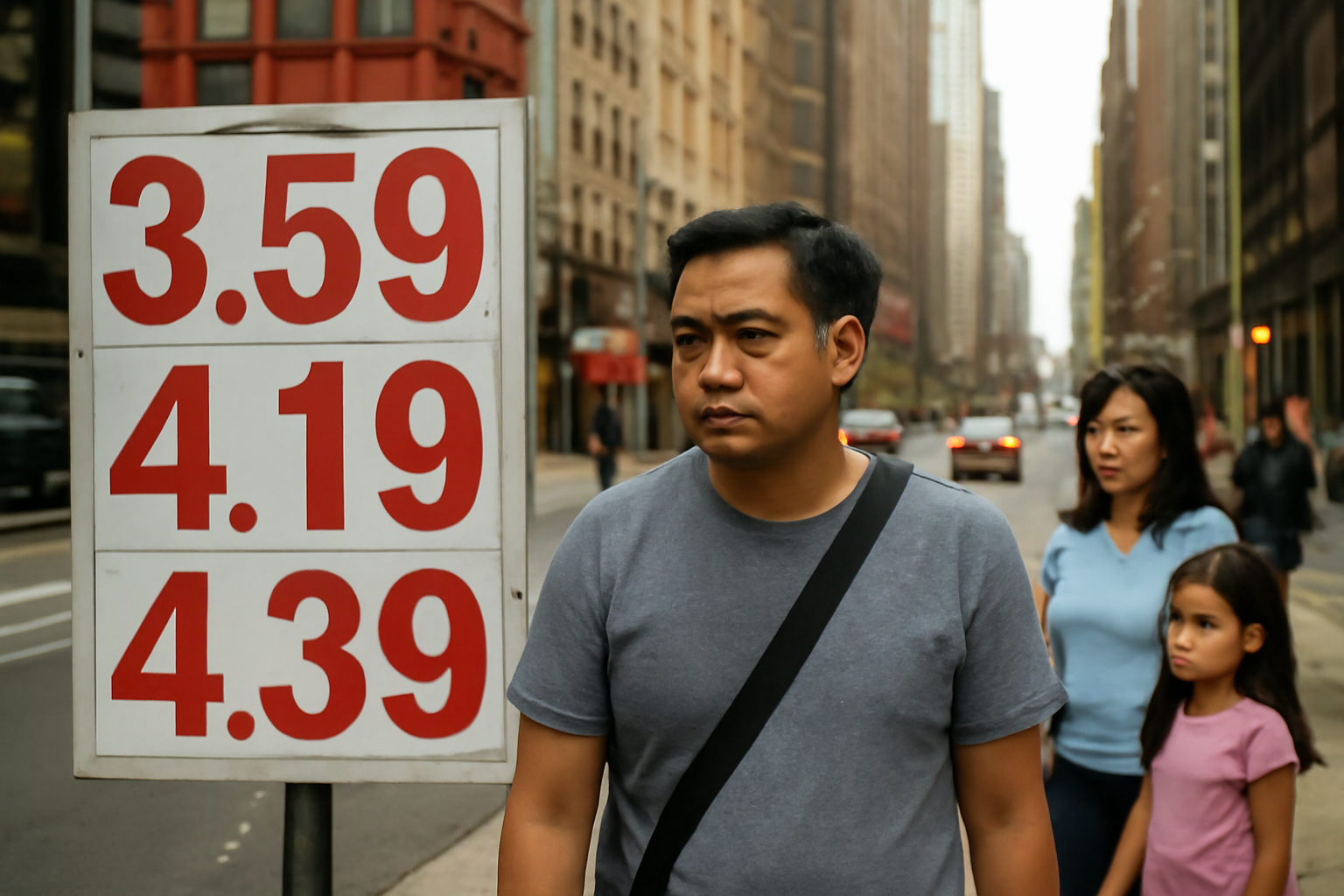
As the sun set over Manila, the bustling streets were filled with the sounds of vendors calling out their wares, but the mood was decidedly somber. Families gathered around tables, discussing the rising costs of everyday goods, a stark reminder of the economic pressures weighing down the country. In October, Philippine inflation surged to 7.8%, marking the highest rate in nearly four years, driven by the ongoing conflict in the Middle East.
According to recent reports, the inflation rate in the Philippines reached 7.8% in October 2023, a significant leap that has left many citizens grappling with the harsh realities of rising prices. This increase can be attributed largely to the protracted conflict in the Middle East, which has caused fuel, electricity, and transportation costs to spike. The Philippines relies heavily on energy imports from this region, making it particularly vulnerable to fluctuations in global energy prices.
The Philippine Statistics Authority (PSA) released the figures earlier this month, indicating that the surge in inflation is not just a temporary blip but part of a broader trend affecting the economy. The impact is felt across various sectors, from transportation to food, as families struggle to make ends meet amidst soaring costs.
Economists had anticipated some level of increase, but the jump to 7.8% caught many off guard. This rate is the highest since December 2019, when inflation also surged due to various factors, including natural disasters and supply chain disruptions. The current situation, however, presents unique challenges as geopolitical tensions continue to escalate.
Residents across the Philippines are expressing their concerns about the rising inflation and its impact on their daily lives. Many families are adjusting their budgets, cutting back on non-essential items to cope with the increased costs of basic necessities. "We have to be more careful with our spending now," said Maria Santos, a mother of three from Quezon City. "Everything is getting more expensive, and it's hard to keep up with the bills."
Local businesses are also feeling the pinch. Small shop owners report a decrease in customer traffic as people prioritize essential purchases over discretionary spending. Juan Dela Cruz, who runs a small grocery store, noted, "Sales have dropped significantly. People are buying less, and they are more price-sensitive than ever before."
The emotional toll on families is palpable. Many are worried about their future, fearing that they may not be able to provide for their loved ones if prices continue to rise. Community leaders are stepping in, organizing forums to discuss how to navigate these challenging times and support one another.
The inflation surge is not just an isolated issue; it reverberates throughout the Philippine economy. The construction industry, which heavily relies on fuel and electricity, is facing delays and increased costs, potentially stalling infrastructure projects that are vital for economic growth. Local contractors, like Aida Reyes, who oversees a small construction firm in Metro Manila, expressed her concerns: "We are seeing costs rise for materials and labor, and it's becoming harder to keep projects on schedule. If this continues, it could impact job creation in our sector."
Additionally, the agricultural sector, which is already grappling with its own challenges, is feeling the heat. Farmers are facing rising costs for fertilizers and transportation, which could lead to higher food prices down the line. This is particularly concerning as the Philippines is still recovering from the impacts of recent typhoons that damaged crops and infrastructure, adding to the strain on food supply chains.
Looking ahead, the Philippine government is under pressure to address the inflation crisis. Policymakers are considering various measures to mitigate the impact of rising prices on consumers. This includes potential subsidies for fuel and electricity, as well as efforts to stabilize food prices through support for local agriculture.
The Bangko Sentral ng Pilipinas (BSP) is also closely monitoring the situation, with some experts predicting that interest rates may need to be adjusted to curb inflation. "We are in a challenging environment, and our priority is to maintain economic stability while ensuring that the most vulnerable populations are protected," said BSP Governor Felipe Medalla.
As the nation braces for what lies ahead, the resilience of Filipino families will undoubtedly be tested. Many are hoping for swift government action and a return to stability, but the uncertainty looms large. With the holidays approaching, the pressure to provide for loved ones will only intensify, making the need for effective solutions even more urgent.
In response to the inflation crisis, various community initiatives are emerging to help residents cope. Local government units are ramping up their assistance programs, providing food relief and financial aid for low-income households. For instance, the City of Manila has launched a food distribution program aimed at families who are most affected by rising prices.
Community organizations are also stepping in to offer support through food banks and financial literacy workshops. Groups like the Philippine Red Cross are mobilizing volunteers to distribute essential goods to families in need, while local NGOs are providing workshops that teach budgeting skills and how to stretch a peso further in these tough times.
Families are encouraged to reach out to their local government offices or community centers to learn about available programs. Organizations like the Department of Social Welfare and Development (DSWD) are actively working to provide support to those in need.
Moreover, the National Economic and Development Authority (NEDA) is also a valuable resource for understanding economic trends and accessing support programs designed to help citizens navigate these challenging times.
The surge in inflation to 7.8% in October serves as a wake-up call for the Philippines, highlighting the need for strategic action to protect families and stabilize the economy. As the nation grapples with the effects of external conflicts and rising costs, the strength of community bonds will play a crucial role in navigating these turbulent waters. Filipino families, known for their resilience and faith, will continue to support one another as they face the challenges ahead, hoping for a brighter future.
By Katherine Langford
By Katherine Langford

By Marcus Chen

By Marcus Chen