
Technology
Spooky New Infostealer Malware Uses AI to ‘Autodox’ Victims
By Katherine Langford
Advertisement · Why this ad?
Marcus manages the day-to-day editorial workflow across all brands, coordinating coverage assignments and ensuring editorial standards are met. He previously served as city editor at the Pioneer Press and holds a degree in Political Science from Carleton College.
More from Marcus →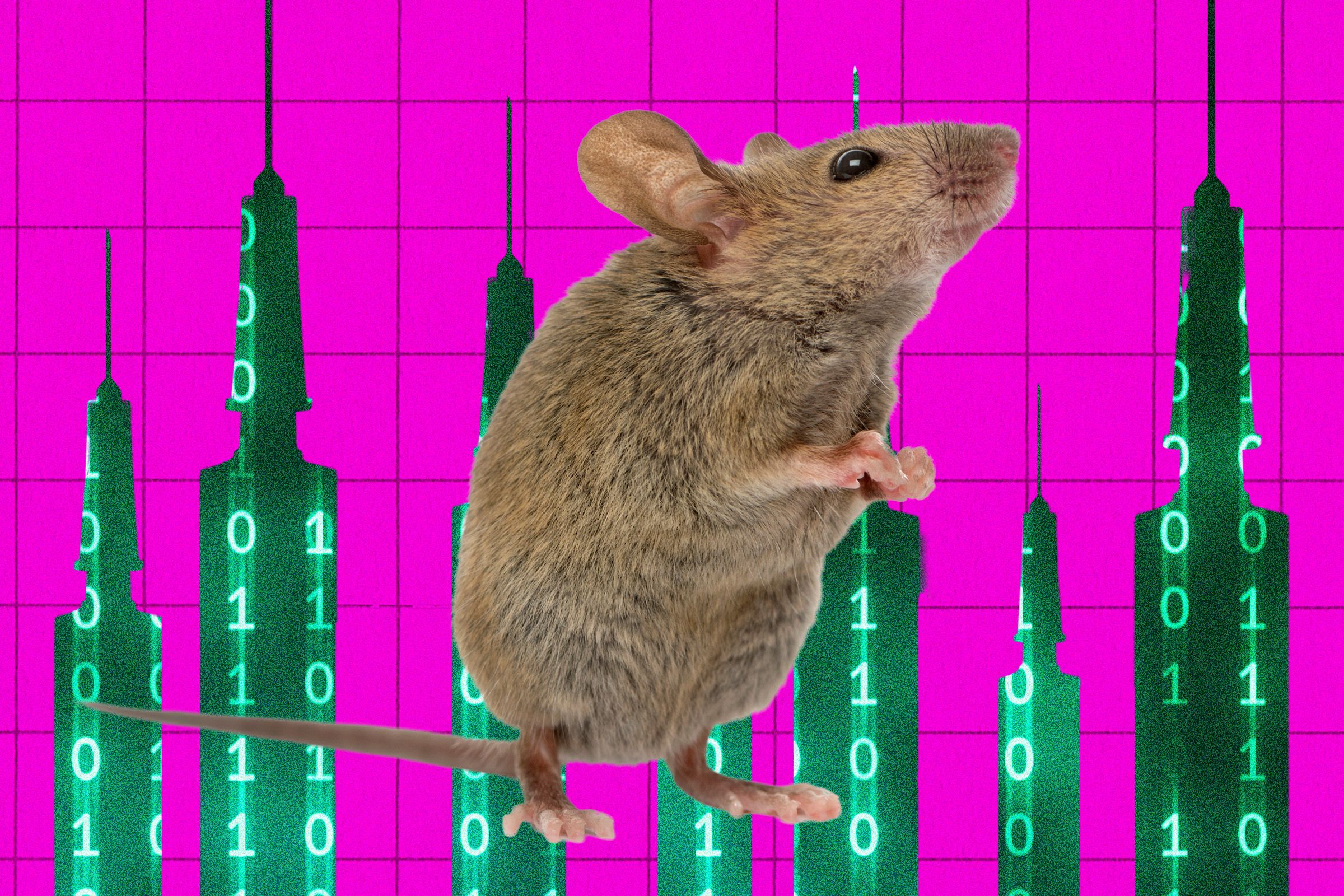
In a groundbreaking experiment, researchers at a New York City biotech startup have taken a giant leap forward in the realm of gene therapy. They successfully utilized an artificial intelligence (AI) agent to select and administer a treatment directly into the brain of a live mouse. This unprecedented achievement not only showcases the potential of AI in medicine but also raises ethical questions about the future of research.
On a brisk autumn morning, the team at Startup Bio gathered in their lab, excitement palpable in the air. The AI, designed to analyze vast amounts of genetic data, determined the most effective gene therapy for a specific neurological condition. The result was a successful injection into the mouse's brain, a feat that would have taken human researchers significantly longer to accomplish.
This experiment marks a pivotal moment in the integration of AI within biological research. According to Dr. Emily Chen, the lead researcher, "This is just the beginning. We’re moving toward a future where AI can help us tackle complex medical challenges faster and more efficiently." The AI agent, trained on a comprehensive database of gene therapies, made real-time decisions during the procedure, demonstrating its capability to adapt and learn.
The process involved several intricate steps. First, the AI analyzed genetic markers associated with the condition affecting the mouse. It then selected a gene therapy from a library of treatments designed to target those markers. Finally, using a precise injection method, the AI agent administered the therapy directly into the brain.
This method contrasts sharply with traditional research practices, which often rely on trial and error. The AI's ability to sift through data and make informed decisions not only enhances efficiency but could also lead to more effective treatments for various conditions.
While the results are promising, the use of AI in direct medical applications raises significant ethical questions. Critics argue that the reliance on AI could lead to a dehumanization of the research process. Dr. Sarah Thompson, a bioethicist at Bioethics Institute, cautions, "We must ensure that human oversight remains a critical component of medical research. AI should assist, not replace, human judgment."
Moreover, the implications of AI decision-making in healthcare extend beyond research. As AI continues to evolve, its role in patient treatment decisions could become more pronounced, prompting discussions about accountability and transparency.
The experiment has sparked interest within the New York City biotech community, with many seeing it as a harbinger of future advancements in medicine. Local startups and established firms alike are eager to explore the potential applications of AI in their research. NYC’s Economic Development Corporation has already begun to foster partnerships between AI developers and biotech firms to accelerate innovation.
Residents of NYC stand to benefit significantly from these advancements. With the potential for faster development of treatments for neurological disorders, families dealing with conditions such as Alzheimer’s or Parkinson’s could see hope on the horizon. Local healthcare providers are closely monitoring these developments, anticipating a future where AI-driven therapies become a standard part of patient care.
For many families in New York City, the implications of this research are deeply personal. Take the case of the Rodriguez family, who have been grappling with the effects of Alzheimer’s disease on their matriarch, Maria. Her son, Carlos, expressed hope that advancements like those at Startup Bio could lead to breakthroughs that might help not only his mother but countless others suffering from similar conditions. "Every day is a struggle for her and for us. If AI can help find a better treatment, it might just change our lives," he shared. This sentiment resonates with many families facing the emotional and financial toll of chronic neurological disorders.
Local support groups have also taken notice of the experiment. Organizations such as the New York City Chapter of the Alzheimer’s Association are beginning to discuss how AI could play a role in future treatment options and research funding. Community leaders are advocating for increased awareness and funding for AI-driven research initiatives, emphasizing the need for local involvement in what could be a transformative era in medical science.
Looking ahead, the team at Startup Bio plans to expand their research, exploring the application of AI in other areas of medicine, including cancer treatment and regenerative therapies. Dr. Chen emphasizes the importance of collaboration, stating, "We want to work with other researchers and institutions to unlock the full potential of AI in healthcare." This collaborative spirit is essential as the biotech community rallies to harness the power of AI technologies.
As the technology matures, regulatory bodies will need to establish guidelines for the safe use of AI in medical research. The FDA has already begun discussions on how to regulate AI technologies in healthcare, emphasizing the need for safety and efficacy. The outcome of these discussions will be crucial in determining how quickly AI can be integrated into clinical settings.
For the residents of New York City and beyond, the implications of this research are profound. As AI continues to evolve, it could lead to a new era of personalized medicine, where treatments are tailored to individual genetic profiles. The dream of effective, targeted therapies is becoming more tangible, thanks to innovations like those at Startup Bio. As the community watches closely, the hope is that this groundbreaking work will pave the way for a future where diseases that once seemed insurmountable can be managed or even cured.
The success of this experiment at Startup Bio could set a precedent for other biotech firms across the country. As AI becomes more integrated into research methodologies, the potential for accelerated discoveries in various fields of medicine is immense. Companies that harness AI's capabilities may find themselves at the forefront of breakthroughs in treatments for diseases that have long eluded researchers.
Moreover, the collaboration between AI experts and biologists could lead to a new interdisciplinary field, merging computational science with traditional biological research. This could enhance educational programs in local universities, encouraging students to pursue careers that blend these two dynamic areas. Educational institutions like Columbia University and New York University are already considering how to incorporate AI into their biology and healthcare curricula to prepare the next generation of scientists.
As the research progresses, community engagement will be critical. Local organizations, including patient advocacy groups and health-focused nonprofits, are encouraged to collaborate with biotech firms to ensure that the voices of those affected by neurological disorders are heard. This collaboration could lead to more patient-centered research that addresses the real-world challenges families face.
Additionally, public forums and discussions about the implications of AI in healthcare will be essential to foster transparency and trust. Engaging the community in these conversations can help demystify AI technologies and their applications, ensuring that the public is informed about potential benefits and risks.
As Startup Bio and similar firms continue to push the boundaries of what is possible with AI in medicine, the hope is that the advancements made will not only transform research but also provide tangible benefits to patients and their families in New York City and beyond. The journey of integrating AI into healthcare is just beginning, and the community stands ready to embrace the changes it will bring.
By Katherine Langford

By Katherine Langford

By Marcus Chen

By Katherine Langford