Business
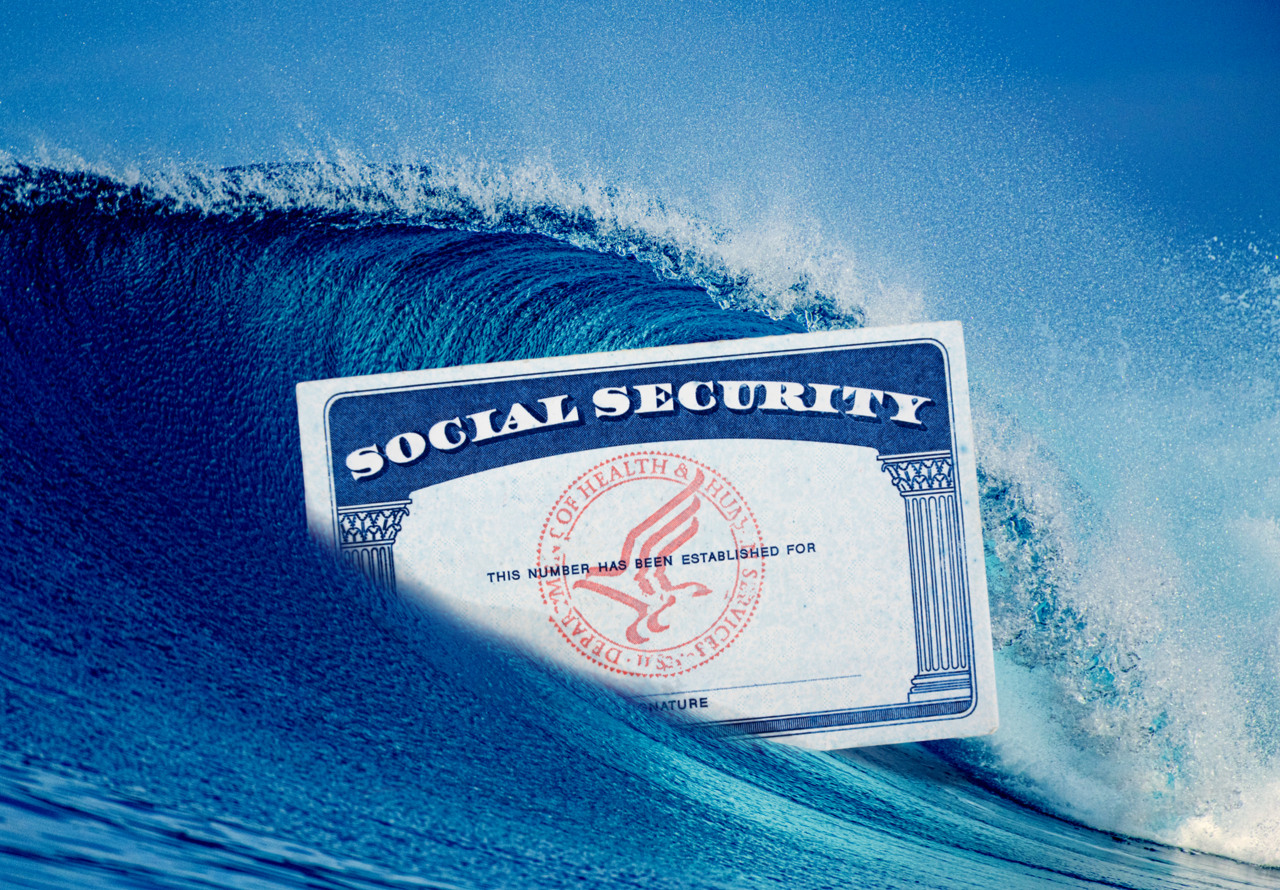
Democrats’ big election win revives a difficult Social Security question: Who pays?
By Katherine Langford
Advertisement · Why this ad?
Marcus manages the day-to-day editorial workflow across all brands, coordinating coverage assignments and ensuring editorial standards are met. He previously served as city editor at the Pioneer Press and holds a degree in Political Science from Carleton College.
More from Marcus →
As the sun set on Election Day, the streets of New York City buzzed with anticipation and anxiety. Investors, analysts, and everyday citizens alike were glued to their screens, waiting for results that would shape not just political landscapes but also the economy and financial markets. The Democrats’ sweeping victories in the midterms have raised eyebrows and prompted discussions about the potential ripple effects on various sectors.
On November 8, 2022, voters across the nation cast their ballots in a crucial midterm election, which resulted in the Democrats maintaining control over the Senate and making significant gains in the House of Representatives. This outcome is poised to influence policy direction and economic strategies in the coming years. With President Biden's party solidifying its power, investors are keenly watching for shifts in legislation that could impact market dynamics.
The midterm results are particularly important as they signal the potential for increased government spending, especially in infrastructure and clean energy sectors. Analysts predict that these areas could see substantial funding, which may drive growth and create investment opportunities. However, the implications of such spending also raise concerns about inflation and interest rates, which could affect borrowing costs for businesses and consumers alike.
With the Democratic Party in a position to push forward its agenda, investors are recalibrating their strategies. One immediate concern is the prospect of increased regulations, particularly in sectors like technology and finance. The heightened scrutiny could lead to volatility in stock prices as companies navigate new compliance landscapes.
Moreover, the Democrats' focus on climate change initiatives may spur growth in renewable energy sectors. Companies involved in solar, wind, and electric vehicle production could see a surge in demand, leading to potential stock price increases. Investors are advised to keep a close eye on these sectors as they could become market movers in the near future.
As the government gears up for increased spending, inflation remains a critical issue. The Federal Reserve has been actively managing interest rates to combat rising prices, and the outcome of the midterms could influence its future decisions. If the Democrats pursue expansive fiscal policies, the Fed may be compelled to raise rates further to curb inflation, which could dampen economic growth.
Analysts suggest that investors should monitor the Fed's communications closely. Any indication of a shift in monetary policy could lead to immediate market reactions, particularly in bond and equity markets. Understanding the interplay between fiscal and monetary policies will be key for investors navigating this new political landscape.
The implications of the midterm results extend beyond Wall Street. Local communities, especially those in urban areas, may experience changes in funding for social programs and infrastructure projects. Increased government spending could lead to job creation and economic revitalization in neighborhoods that have been struggling.
Furthermore, the focus on clean energy initiatives may resonate with communities looking for sustainable development. Local businesses involved in green technologies could benefit from new contracts and funding opportunities, fostering economic growth and stability.
In neighborhoods like Brooklyn and the Bronx, which have historically faced economic challenges, the potential for increased infrastructure spending could translate into new jobs in construction and public works. Local leaders, such as community board members and city council representatives, are already discussing how to best allocate these resources to ensure that the benefits reach those who need them most. This could mean prioritizing projects that enhance public transportation, improve housing, or create community spaces.
Local residents are expressing a mix of hope and skepticism regarding the election results. Maria Gonzalez, a small business owner in Queens, shared her thoughts: "We need support for our businesses now more than ever. If the government invests in our communities, it could really change things for us. But we need to make sure that the funding is used wisely and reaches the people who need it most."
Similarly, community activist David Lee emphasized the importance of transparency in how funds are allocated. "We want to see accountability in these projects. It's not just about throwing money at problems; it's about creating sustainable solutions that benefit our neighborhoods in the long run," he stated during a recent town hall meeting.
Looking ahead, the political landscape post-midterms will likely shape the economic environment for years to come. Investors should prepare for potential shifts in market dynamics as policies evolve. The emphasis on infrastructure and climate change may lead to a new wave of innovation and investment opportunities.
Additionally, the ongoing challenges of inflation and interest rates will necessitate a strategic approach to investing. Diversification and a focus on sectors poised for growth will be essential as the economy adapts to the new political realities. Investors might consider reallocating their portfolios to include more green technology stocks, as well as companies that stand to benefit from increased public spending in infrastructure.
For those seeking guidance in this evolving landscape, various resources are available. Financial advisory services, investment newsletters, and economic analysis platforms can provide valuable insights. Websites such as SEC and Federal Reserve offer updates on regulations and monetary policy that could affect investment strategies.
Furthermore, engaging with community organizations focused on economic development can provide insights into local opportunities and initiatives that may arise from increased government spending. Organizations like the NYC Small Business Services are pivotal in helping local entrepreneurs navigate the changing landscape.
Investors are encouraged to stay informed and adaptable as the political landscape continues to evolve, ensuring they can make informed decisions that align with their financial goals. As the midterms have set the stage for significant changes in the market, the impact will be felt across various sectors. By keeping a pulse on these developments, investors can position themselves for success in the coming months.
As the dust settles from the midterm elections, the focus will shift to how the new political landscape will unfold. The Biden administration is expected to push forward with its infrastructure bill, which promises to allocate billions towards repairing roads, bridges, and public transport systems across the nation. In NYC, this could mean significant investments in the aging subway system and local transit networks, which have been the subject of much criticism for their inefficiency and declining service levels.
Moreover, the anticipated push for clean energy initiatives may lead to local partnerships between government bodies and private firms. The New York City government is already exploring collaborations with renewable energy companies to expand solar and wind projects, aiming to meet ambitious climate goals. This could open up new job opportunities for residents, particularly in technical fields related to energy efficiency and green construction.
Local business coalitions are also gearing up for potential changes. Groups such as the Brooklyn Chamber of Commerce are advocating for policies that support small businesses through grants and training programs. These initiatives could be crucial for helping local entrepreneurs adapt to the changing economic climate and take advantage of new funding opportunities.
As community leaders and residents engage in discussions about resource allocation, the importance of grassroots involvement cannot be overstated. Town hall meetings and community forums will likely become pivotal platforms for residents to voice their needs and priorities, ensuring that the funds are directed towards projects that genuinely uplift the community.
In conclusion, the midterm elections have set the stage for significant changes that could reshape not just the market but the very fabric of local communities across NYC. The next steps will be crucial in determining how effectively these changes can be harnessed for the benefit of all residents.
By Katherine Langford

By Katherine Langford

By Marcus Chen

By Katherine Langford